
Green Hydrogen Explained: Can It Replace Fossil Fuels?
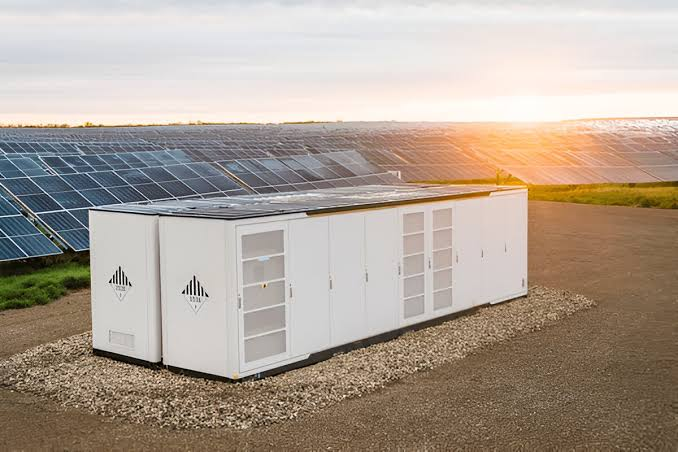
Hydrogen is the most abundant element in the universe, yet it almost never exists on its own on Earth. We have to make it. How we make it decides whether hydrogen is a climate solution or just another source of pollution. That is where green hydrogen comes in.
What is green hydrogen?
Green hydrogen is hydrogen produced by splitting water into hydrogen and oxygen using electricity from renewable sources such as solar, wind or hydropower. The process is called electrolysis. Because the electricity is clean, making it creates almost no carbon emissions.
In simple terms: water + renewable electricity = hydrogen + oxygen.
Green vs grey vs blue hydrogen
Hydrogen is labelled by color depending on how it’s made:
| Type | How it’s made | Emissions |
|---|---|---|
| Grey | From natural gas (steam methane reforming) | High |
| Blue | Same as grey, but the CO₂ is captured and stored | Medium |
| Green | Electrolysis powered by renewables | Very low |
Most hydrogen produced today is still grey. Green hydrogen is only a tiny share of the total, which is why it gets so much attention as a growth area.
Why does the world want it?
Batteries work well for cars and phones, but some sectors are hard to electrify. Green hydrogen could help with:
- Steelmaking: replacing coal in furnaces
- Fertilizer production: replacing the natural gas used to make ammonia
- Shipping and aviation: as hydrogen or hydrogen-based fuels for long routes
- Energy storage: turning surplus solar and wind power into fuel for later
Why isn’t it everywhere yet?
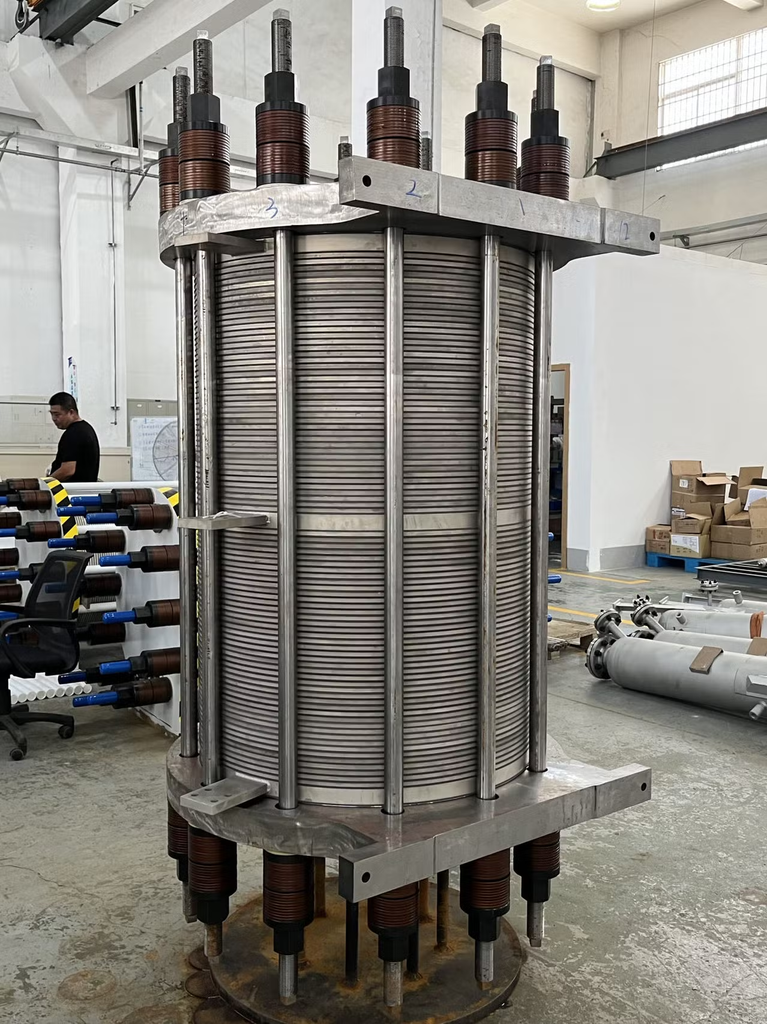
- Cost. Green hydrogen is currently several times more expensive than grey hydrogen, mainly because of the electricity and equipment needed.
- Energy loss. Energy is lost at each step: making, compressing, transporting and using hydrogen.
- Infrastructure. There are few pipelines, storage sites and refueling stations built for hydrogen.
- Scale. Electrolyzer factories and renewable capacity must grow dramatically first.
Who is leading?
- European Union: setting hydrogen targets and funding import corridors
- United States: offering tax incentives for clean hydrogen production
- India: the National Green Hydrogen Mission aims to make the country a major producer and exporter
- Middle East and Australia: building very large projects, taking advantage of cheap sun and wind
What does it mean for you?
You won’t be filling your car with green hydrogen soon. The first impact will be indirect: cleaner steel, cleaner fertilizer and lower-carbon shipping, which may slowly shape the prices of things you buy. For investors and job seekers, it’s one of the fastest-evolving areas of the energy transition.
The bottom line
Green hydrogen is not a magic fix, and it won’t replace fossil fuels everywhere. But for industries that batteries can’t easily serve, it may be the most realistic clean option. The key question is whether costs fall fast enough, and that depends on cheaper renewable power and scaled-up manufacturing.
FAQ (good for Google rich results)
Is green hydrogen safe? Hydrogen is flammable, but it is already handled safely in industry with proper standards and equipment.
Is green hydrogen really zero-emission? The hydrogen itself produces only water when used. Overall emissions depend on the electricity source and equipment manufacturing.
Will hydrogen cars replace electric cars? Unlikely for most drivers. Battery EVs are more efficient for passenger cars, while hydrogen suits heavy transport better.
Before you publish
- Verify the numbers. I kept figures general because they change fast. Check the latest cost per kilogram and market share in the IEA or IRENA reports and add them with a source link. Posts with real, sourced stats rank better.
- Add internal links to your other energy posts and 2-3 external links to authoritative sources.
- Add an image or two with alt text, one of them a simple diagram of electrolysis.
- Use the FAQ block with Rank Math’s FAQ schema in Elementor or the block editor.
- Check Rank Math’s score and aim for 80+ before publishing.
Want me to put this in a file you can download, or write your second post (central bank rates) in the same format?