
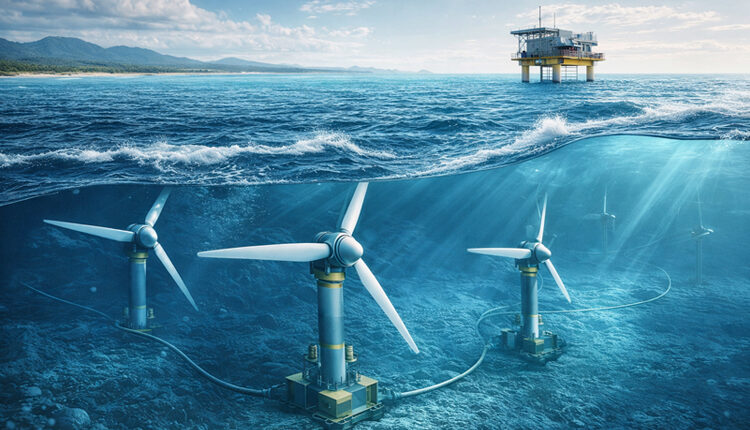
Tidal Energy: Harnessing the Predictable Power of the Oceans
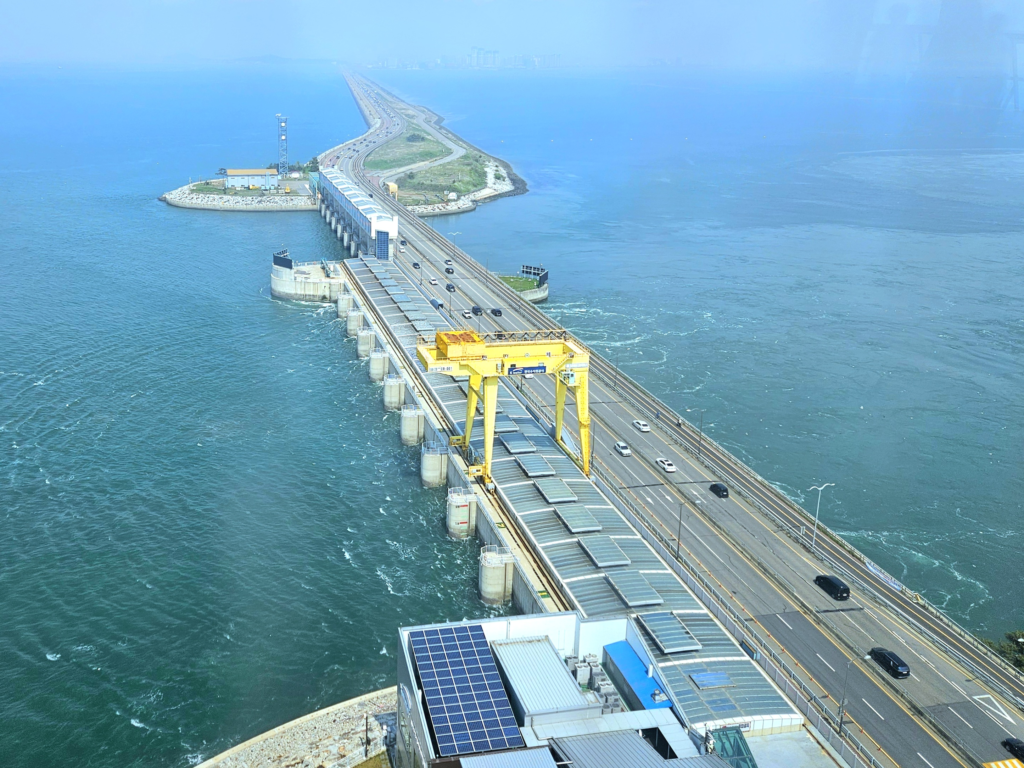
As the world shifts toward renewable energy, oceans are emerging as one of the most reliable sources of clean electricity. While solar panels depend on sunshine and wind turbines rely on weather conditions, tidal energy follows predictable cycles controlled by the gravitational pull of the Moon and the Sun.
Since tides occur every day with remarkable accuracy, tidal energy offers a dependable source of renewable electricity that can help stabilize modern power grids.
Although tidal power currently contributes only a small percentage of global electricity generation, ongoing technological improvements and increasing investments are making it an important part of the future clean energy mix.
In this comprehensive guide, we’ll explore:
- What tidal energy is
- How tidal power generation works
- Different tidal technologies
- Major tidal projects around the world
- Advantages and limitations
- Environmental impacts
- Future innovations and market outlook
What Is Tidal Energy?

Tidal energy is renewable energy generated from the natural rise and fall of ocean water caused primarily by the gravitational forces of the Moon and, to a lesser extent, the Sun.
As tides move enormous amounts of seawater every day, that moving water contains significant kinetic and potential energy that can be converted into electricity.
Unlike fossil fuels, tidal energy:
- Produces zero direct greenhouse gas emissions
- Uses an endless natural resource
- Is highly predictable
- Operates for decades with relatively low maintenance
How Tides Are Created
Ocean tides result from gravitational interactions between:
- The Moon
- The Earth
- The Sun
The Moon’s gravity pulls ocean water toward it, creating high tides.
At the same time, centrifugal force creates another high tide on the opposite side of Earth.
As Earth rotates:
- High tide
- Low tide
- High tide
- Low tide
occur approximately every 24 hours and 50 minutes.
Because astronomers can predict these movements years in advance, tidal energy is one of the world’s most reliable renewable energy sources.
How Tidal Power Generation Works
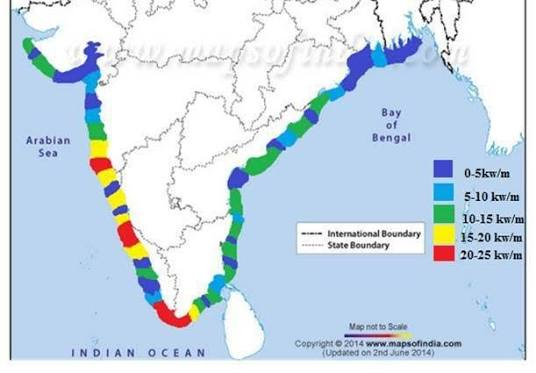
Tidal power systems capture energy from moving seawater using turbines that operate similarly to wind turbines.
The difference is:
Wind turbines use moving air.
Tidal turbines use moving water.
Since seawater is about 800 times denser than air, tidal turbines can generate substantial power even at relatively slow water speeds.
The basic process includes:
- Ocean tides move large volumes of water.
- Water flows through turbines.
- Turbines rotate.
- Generators produce electricity.
- Electricity is transmitted to the power grid.
Types of Tidal Energy Technologies
1. Tidal Stream Generators
This is currently the most popular tidal technology.
Large underwater turbines are installed in fast-moving tidal currents.
When tides flow:
- Water spins turbine blades.
- Generators create electricity.
- Power travels through underwater cables.
Advantages
- Minimal visual impact
- Lower environmental footprint
- High efficiency
- Modular installation
Best Locations
- Narrow straits
- Coastal channels
- Fast-flowing tidal currents
2. Tidal Barrages
A tidal barrage functions similarly to a hydroelectric dam.
It is built across a river estuary or bay.
As tides rise:
Water enters through gates.
When tides fall:
Water exits through turbines, generating electricity.
Advantages
- Large electricity production
- Long operational lifespan
- Predictable generation
Disadvantages
- High construction costs
- Environmental impacts
- Alters natural ecosystems
3. Tidal Lagoons
A tidal lagoon encloses a section of coastline using seawalls.
Water enters and exits through turbines as tides change.
Compared to barrages:
- Lower environmental impact
- Flexible design
- Can integrate recreation and flood protection
4. Dynamic Tidal Power
Dynamic tidal power is still largely in the research stage.
It proposes building long dams extending into the sea without enclosing an estuary.
These structures create pressure differences that drive turbines.
Potential advantages include:
- Massive electricity production
- Reduced ecosystem disruption
- Continuous generation potential
Components of a Tidal Power Plant
A typical tidal energy system includes:
- Underwater turbines
- Rotor blades
- Gearbox
- Generator
- Foundations
- Underwater transmission cables
- Grid connection systems
- Monitoring sensors
- Maintenance platforms
Global Tidal Energy Projects
La Rance Tidal Power Station (France)
Commissioned in 1966, it remains one of the world’s oldest commercial tidal power plants.
Capacity:
240 MW
Key Features:
- Tidal barrage
- Long operational history
- Proven technology
Sihwa Lake Tidal Power Station (South Korea)
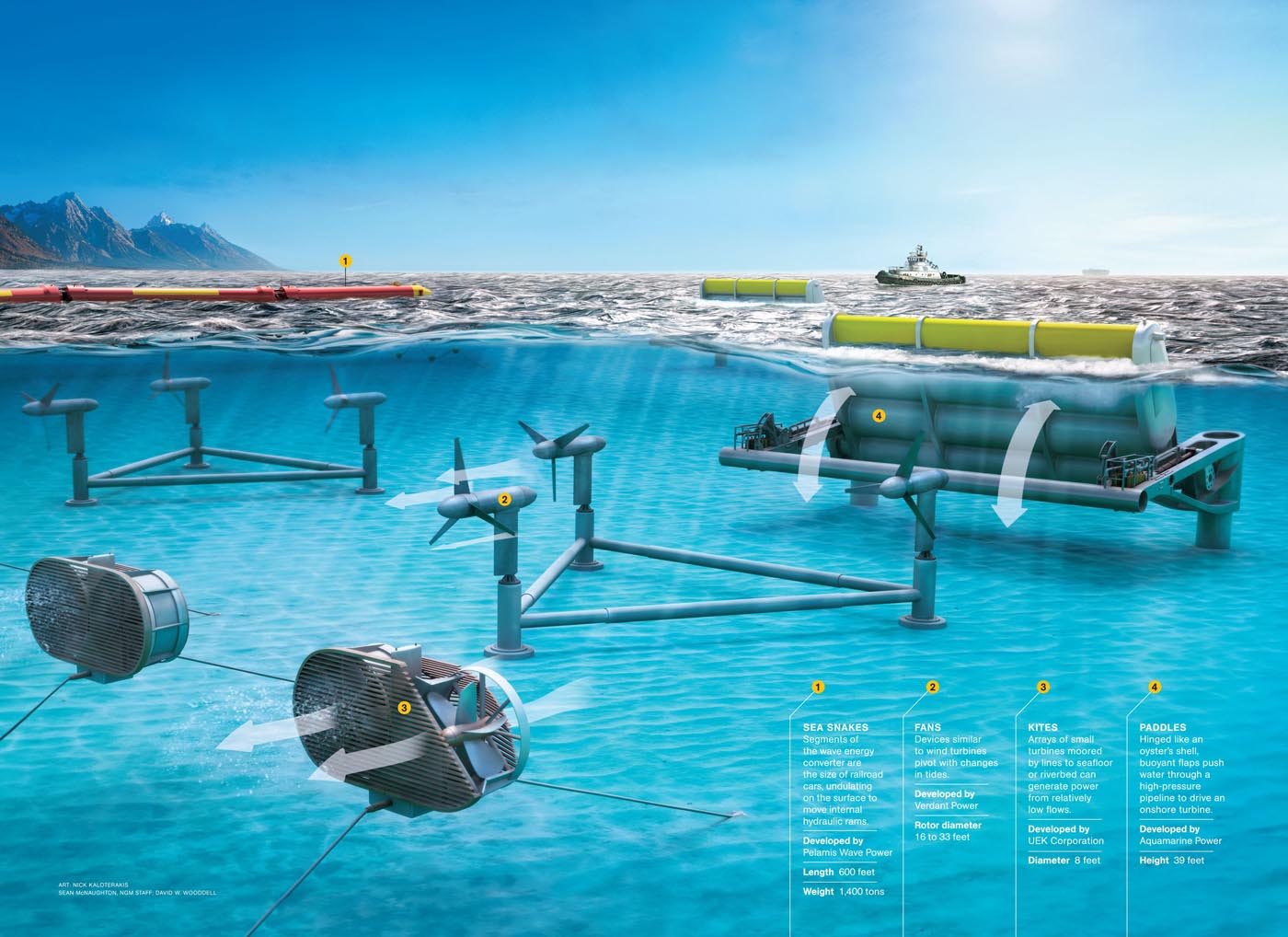
Currently one of the world’s largest tidal power facilities.
Capacity:
254 MW
Highlights:
- Flood control integration
- Renewable electricity generation
- Improved water quality
MeyGen Project (Scotland)
One of the world’s leading tidal stream projects.
Highlights:
- Underwater turbines
- Modular expansion
- Low environmental impact
Annapolis Royal (Canada)
One of North America’s pioneering tidal power stations.
Known for:
- Long-term operation
- Valuable research
- Grid integration experience
Advantages of Tidal Energy
1. Highly Predictable
Unlike wind and solar power, tides follow astronomical cycles.
Energy planners know exactly when electricity will be produced.
2. Renewable Resource
Ocean tides will continue as long as the Earth-Moon system exists.
No fuel is required.
3. Zero Carbon Emissions
Tidal plants produce electricity without burning fossil fuels.
This helps reduce:
- CO₂ emissions
- Air pollution
- Climate impacts
4. High Energy Density
Water is much denser than air.
Therefore:
Smaller turbines can generate significant power.
5. Long Equipment Life
Many tidal facilities can operate for:
40–100 years
with proper maintenance.
6. Low Operating Costs
Although installation costs are high, operational expenses remain relatively low after commissioning.
7. Grid Stability
Because tidal cycles are predictable, utilities can better balance electricity supply and demand.
Limitations of Tidal Energy
High Initial Cost
Building underwater infrastructure is expensive.
Major expenses include:
- Marine construction
- Specialized turbines
- Grid connections
- Maintenance vessels
Limited Suitable Locations
Strong tidal currents exist only in specific coastal regions.
Not every country has suitable geography.
Environmental Concerns
Potential impacts include:
- Fish migration disruption
- Changes in sediment movement
- Marine habitat alteration
- Noise during construction
Corrosion
Saltwater causes:
- Rust
- Corrosion
- Biofouling
Equipment requires specialized materials and maintenance.
Complex Installation
Marine construction involves:
- Extreme weather
- Powerful currents
- Difficult underwater operations
Environmental Impact
Compared with coal and natural gas, tidal energy has a much smaller environmental footprint.
Positive impacts include:
- No air pollution
- Low carbon emissions
- Renewable electricity
- Reduced fossil fuel dependence
Potential challenges include:
- Marine ecosystem disturbance
- Fish collisions
- Sediment transport changes
- Coastal habitat modification
Modern projects increasingly use environmental monitoring and turbine designs that reduce risks to marine life.
Tidal Energy vs Other Renewable Sources
| Feature | Tidal | Solar | Wind | Hydropower |
|---|---|---|---|---|
| Predictability | Excellent | Moderate | Moderate | High |
| Carbon Emissions | Very Low | Very Low | Very Low | Very Low |
| Energy Density | Very High | Low | Medium | High |
| Land Use | Minimal | High | Moderate | High |
| Weather Dependent | No | Yes | Yes | Partly |
| Initial Cost | High | Moderate | Moderate | High |
Applications of Tidal Energy
Tidal electricity can power:
- Residential communities
- Industrial facilities
- Coastal cities
- Desalination plants
- Island microgrids
- Hydrogen production
- Electric vehicle charging infrastructure
Future of Tidal Energy
The future looks promising due to advances in:
Floating Tidal Turbines
These reduce installation costs and simplify maintenance.
AI Monitoring
Artificial intelligence enables:
- Predictive maintenance
- Performance optimization
- Fault detection
Advanced Materials
New corrosion-resistant materials extend equipment lifespan.
Modular Systems
Smaller modular turbines allow gradual expansion while reducing project risk.
Hybrid Renewable Systems
Tidal power is increasingly being combined with:
- Offshore wind farms
- Floating solar installations
- Battery storage
- Green hydrogen production
Challenges Ahead
Despite its potential, tidal energy still faces obstacles:
- High capital investment
- Limited commercial deployment
- Long permitting processes
- Marine engineering complexity
- Grid connection costs
- Public acceptance in some coastal regions
Continued government support, research, and falling technology costs will be essential for broader adoption.
Frequently Asked Questions (FAQs)
Is tidal energy renewable?
Yes. Tidal energy is a renewable resource driven by the gravitational forces of the Moon and the Sun.
Is tidal energy better than solar power?
Tidal energy is more predictable than solar power, but it is currently more expensive and can only be deployed in suitable coastal locations.
Does tidal energy produce pollution?
No. It generates electricity without direct greenhouse gas emissions or air pollution during operation.
What is the biggest tidal power plant in the world?
The Sihwa Lake Tidal Power Station in South Korea is one of the largest operational tidal power plants, with a capacity of 254 MW.
Why isn’t tidal energy widely used?
High construction costs, limited suitable locations, and engineering challenges have slowed widespread adoption. As technology advances and costs decline, tidal energy is expected to play a larger role in the global renewable energy mix.
Conclusion
Tidal energy represents one of the most reliable and predictable forms of renewable power available today. By harnessing the natural movement of ocean tides, it offers a clean, long-lasting source of electricity with minimal greenhouse gas emissions. While challenges such as high upfront costs, environmental considerations, and limited suitable sites remain, continued innovation in turbine technology, materials, and offshore engineering is making tidal power increasingly practical. As nations work toward net-zero emissions and more resilient energy systems, tidal energy is poised to become an important complement to solar, wind, and hydropower in the global transition to sustainable energy.
SEO Keywords
Primary Keyword:
- Tidal Energy
Secondary Keywords:
- Tidal Power
- Tidal Energy Generation
- Ocean Energy
- Marine Renewable Energy
- Tidal Power Plant
- Tidal Stream Generator
- Tidal Barrage
- Tidal Lagoon
- Renewable Ocean Energy
- Clean Energy from Tides
- Ocean Power
- Marine Energy Technology
- Sustainable Energy
- Renewable Electricity
- Future of Tidal Energy
- Underwater Turbines
- Ocean Renewable Resources
- Tidal Energy Advantages
- Tidal Energy Disadvantages
- Renewable Energy Guide 2026