
Introduction
How Solar Power Satellites Could Deliver 24/7 Electricity to Earth
Imagine a world where solar power is available 24 hours a day, regardless of weather conditions, cloud cover, or nighttime darkness. What if enormous solar power stations orbiting Earth could collect sunlight continuously and beam clean energy back to our planet? Space-Based Solar Energy
This futuristic concept is known as Space-Based Solar Power (SBSP), and it is rapidly moving from science fiction to scientific reality. Governments, space agencies, defense organizations, and private companies worldwide are investing billions into researching whether solar panels in space can help solve Earth’s growing energy challenges. goto page https://blurase.com/
As the world races toward net-zero emissions and energy independence, space solar power could become one of the most revolutionary renewable energy technologies of the 21st century.
In this guide, we’ll explore how space-based solar power works, microwave energy transmission, current global projects, technological hurdles, economic opportunities, and whether solar panels in space can truly power Earth in the future.
What Is Space-Based Solar Power?
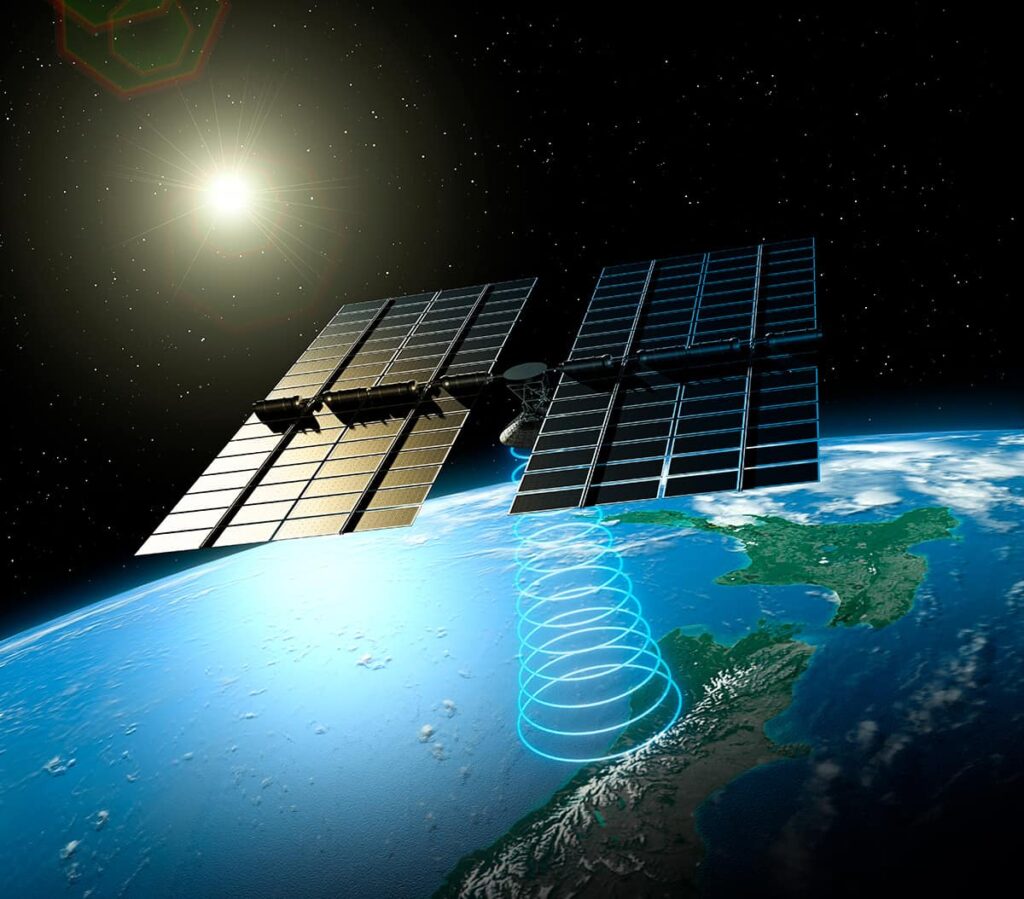
Space-Based Solar Power (SBSP) refers to the collection of solar energy in outer space using large solar arrays mounted on satellites or orbital platforms.
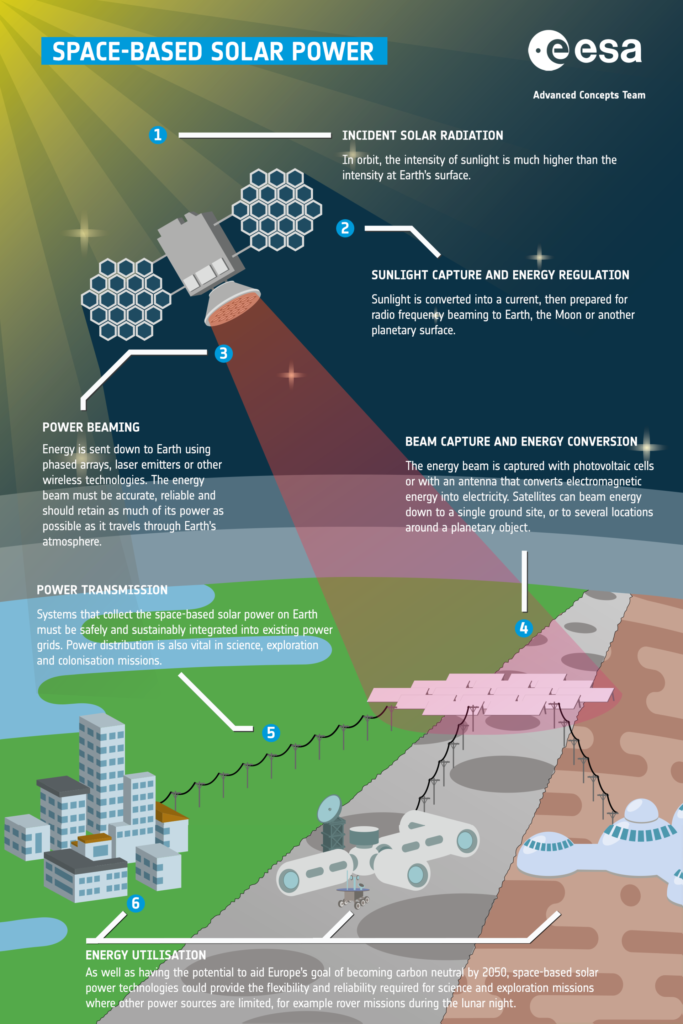
Instead of generating electricity on Earth, these systems:
- Capture sunlight in space.
- Convert solar energy into electrical energy.
- Transform electricity into microwave or laser beams.
- Transmit the energy wirelessly to Earth.
- Convert the received energy back into usable electricity.
Because sunlight in space is much stronger and uninterrupted, SBSP systems can potentially generate several times more energy than ground-based solar farms. Space-Based Solar Energy
Why Collect Solar Energy in Space?
Weather Conditions
Clouds, rain, fog, and storms reduce solar output significantly.
Day-Night Cycle
Solar panels stop producing electricity at night.
Seasonal Variations
Winter months generate less solar energy.
Land Requirements
Large solar farms require vast areas of land.
Space-based solar power eliminates many of these challenges.
Advantages of Space Solar Energy
Continuous Sunlight
Satellites in geostationary orbit receive sunlight nearly 99% of the year.
Higher Solar Intensity Space-Based Solar Energy
Without atmospheric interference, solar radiation is approximately 30% stronger.
No Weather Impact
Clouds and storms cannot block sunlight in space.
Reduced Land Usage
Only receiving stations are required on Earth.
Global Energy Delivery
Power can theoretically be transmitted to different regions as needed.
How Does Space-Based Solar Power Work?
Step 1: Solar Energy Collection
space based solar https://en.wikipedia.org/wiki/Space-based_solar_power
Gigantic solar panels mounted on satellites absorb sunlight continuously.
Advanced photovoltaic cells convert sunlight into electricity.
Future designs may span several kilometers in size.
Space-Based Solar Power: How Solar Energy From Space Could Transform Earth
Space-Based Solar Energy
Step 2: Power Conversion
The electricity generated is converted into electromagnetic energy.
Two primary transmission methods are being studied:
Microwave Transmission
Electricity is converted into microwave signals.
Laser Transmission
Electricity is converted into laser beams.
Microwaves are currently considered the most practical option.
Step 3: Wireless Power Transmission
The satellite beams energy toward Earth using highly controlled microwave arrays.
The energy beam remains focused on designated receiving stations.
Advanced tracking systems ensure transmission accuracy.
Step 4: Ground Reception
Large receiving antennas called rectennas capture incoming microwave energy.
Rectennas convert microwaves back into electricity.
The electricity then enters the power grid for homes, businesses, and industries.
Understanding Microwave Energy Transmission
Microwave power transmission is the foundation of most SBSP concepts.
What Are Microwaves?
Microwaves are electromagnetic waves similar to those used in:
- Wi-Fi networks
- Satellite communications
- Radar systems
- Mobile communications
For space solar power, frequencies around 2.45 GHz or 5.8 GHz are commonly proposed.
How Efficient Is Microwave Transmission?
Modern systems can achieve:
- 80–90% conversion efficiency from electricity to microwaves
- 80–90% reception efficiency at rectennas
Researchers continue improving overall system efficiency.
Is Microwave Transmission Safe?
Safety studies suggest:
- Energy densities would be relatively low.
- Birds and aircraft could safely pass through transmission zones.
- Beam intensity would be lower than direct sunlight in many designs.
- Automatic shutdown systems would prevent accidental misalignment.
Public acceptance remains an important challenge.
Laser-Based Power Transmission
Some researchers advocate using laser technology.
Benefits
- Smaller receiving stations.
- More focused energy beams.
- Easier deployment.
Drawbacks
- Atmospheric interference.
- Cloud obstruction.
- Higher safety concerns.
- Lower efficiency.
As a result, microwaves remain the leading candidate for large-scale deployment.
Current Space-Based Solar Power Projects
Several nations are actively developing SBSP technologies.
United States
The U.S. has researched SBSP for decades.
CALTECH Space Solar Power Project
The California Institute of Technology launched prototypes demonstrating:
- Wireless power transfer
- Lightweight solar arrays
- Modular satellite architecture
The project aims to prove scalable space energy systems.
U.S. Military Interest
The Department of Defense sees SBSP as a potential source of reliable power for remote operations and disaster response.
China : Space-Based Solar Energy
China has become one of the most ambitious players in SBSP development.
Its long-term goals include:
- Megawatt-scale demonstrations
- Geostationary solar power stations
- Commercial deployment in the coming decades
China has established dedicated research facilities focused on microwave transmission technologies.
Japan : Space-Based Solar Energy
Japan has been a pioneer in wireless power transmission.
The country has successfully demonstrated microwave energy transfer and continues pursuing orbital solar power systems.
The Japanese space program envisions future commercial SBSP networks supplying clean energy to densely populated regions.
United Kingdom
The UK has funded studies examining national deployment possibilities.Space-Based Solar Energy
Several proposals suggest multi-gigawatt space solar power stations could contribute significantly to future electricity demand.
European Union
European researchers are evaluating:
- Orbital energy platforms
- Advanced photovoltaic technologies
- Wireless transmission systems
- Space manufacturing methods
The concept aligns with Europe’s long-term climate goals.
Key Technologies Enabling Space Solar Power
Lightweight Solar Panels
Traditional panels are too heavy and expensive to launch.
Researchers are developing:
- Ultra-thin photovoltaics
- Flexible solar films
- Rollable solar arrays
Robotics and Automation
Future satellites may self-assemble in orbit using robotic systems.
This reduces launch complexity and construction costs.
Reusable Rockets
Launch costs have historically been the largest obstacle. Space-Based Solar Energy
Modern reusable rocket systems dramatically reduce deployment expenses.
Cheaper access to space makes SBSP increasingly feasible.
Artificial Intelligence
AI can optimize:
- Beam targeting
- Satellite positioning
- Energy routing
- Maintenance scheduling
Smart management systems will be essential for large orbital power networks.
Challenges Facing Space-Based Solar Power
Despite its promise, significant obstacles remain.
Extremely High Costs
Launching thousands of tons of equipment into orbit remains expensive.
Even with falling launch prices, multi-billion-dollar investments are required.
Massive Infrastructure Requirements
Space solar stations may span several kilometers.
Constructing and maintaining such structures is unprecedented.
Energy Transmission Losses
Some energy is lost during:
- Conversion
- Transmission
- Reception
Improving efficiency is critical for commercial viability.
Space Debris Risks
Orbital infrastructure must withstand:
- Micrometeorites
- Space debris
- Radiation exposure
These hazards increase operational complexity.
Regulatory Challenges
International agreements would be needed regarding:
- Orbital positioning
- Frequency allocation
- Energy transmission rights
- Safety standards
Global cooperation will be essential.
Environmental Benefits
If successful, SBSP could provide major environmental advantages.
Zero Carbon Emissions
Electricity generation produces no greenhouse gases.
Continuous Renewable Energy
Unlike conventional solar power, generation remains constant.
Reduced Fossil Fuel Dependence
Countries could reduce reliance on coal, oil, and natural gas.
Smaller Land Footprint
Fewer large-scale terrestrial solar farms may be needed.
Grid Stability
Constant energy production could complement intermittent renewable sources.
Economic Potential
The global clean energy market is worth trillions of dollars.
Space solar power could become a major contributor.
Potential applications include:
- National power grids
- Remote communities
- Island nations
- Military operations
- Disaster recovery zones
- Hydrogen production facilities
Future energy exports may even occur through orbital power networks.
Could Space Solar Power Be Cheaper Than Earth-Based Solar?
Today, no.
Ground solar remains dramatically cheaper.
However, future cost reductions may change the equation through:
- Reusable launch vehicles
- Automated manufacturing
- In-space assembly
- Advanced materials
- Mass production
Many analysts believe commercial competitiveness could emerge in the coming decades.
Future Commercial Possibilities
Experts envision several deployment phases.
Phase 1: Demonstration Projects
Small satellites proving wireless power transfer.
Phase 2: Pilot Commercial Systems
Megawatt-scale power delivery.
Phase 3: Utility-Scale Stations
Gigawatt-level energy generation.
Phase 4: Global Energy Networks
Multiple orbital stations supplying power worldwide.
Some forecasts suggest operational commercial systems could emerge during the 2030s and 2040s.
Could Space Solar Power Solve the Global Energy Crisis?
Space-based solar power alone will not solve every energy challenge.
However, it could become a powerful complement to:
- Solar farms
- Wind energy
- Hydropower
- Nuclear energy
- Energy storage systems
Its biggest advantage is providing continuous clean electricity regardless of weather or time of day.
If technical and economic hurdles are overcome, SBSP could become one of humanity’s most important energy innovations.
Conclusion
The idea of collecting solar energy in space and transmitting it wirelessly to Earth once seemed impossible. Today, advances in reusable rockets, wireless power transmission, robotics, and photovoltaic technology are bringing the concept closer to reality.
While significant engineering and economic challenges remain, governments and researchers worldwide are making steady progress. Space-Based Solar Power offers a vision of abundant, carbon-free energy available around the clock, potentially transforming how humanity powers homes, industries, and entire nations.
The next few decades may determine whether giant solar power stations orbiting Earth become a cornerstone of the global renewable energy transition—or remain one of the most ambitious energy dreams ever conceived.