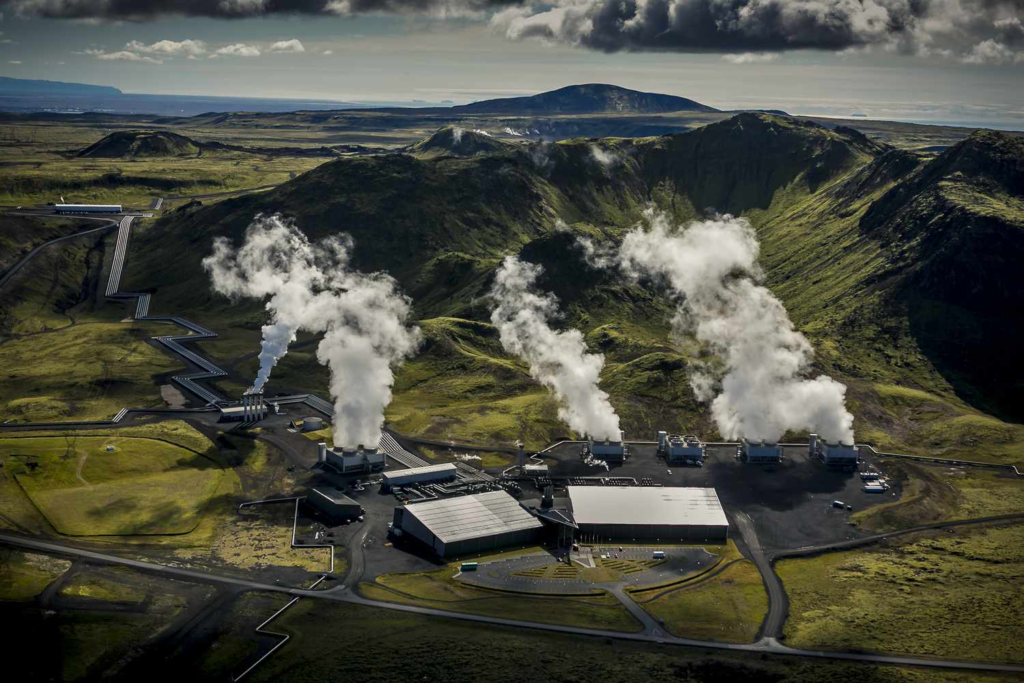
Machines That Remove CO₂ From the Air: The Rise of Direct Air Capture

Climate change has become one of the biggest global challenges of the 21st century. Governments, businesses, and researchers are investing heavily in renewable energy, electric vehicles, energy efficiency, and carbon reduction technologies. However, experts agree that reducing emissions alone may not be enough to limit global warming to safe levels.
This is where Direct Air Carbon Capture (DAC) comes into the picture.
Unlike traditional carbon capture systems that collect carbon dioxide from factory chimneys or power plants, Direct Air Capture removes CO₂ directly from the atmosphere, regardless of where emissions originated. It acts like a giant air purifier for the planet, helping reduce the concentration of greenhouse gases already present in the air.
Although still expensive, DAC technology is improving rapidly thanks to advances in engineering, materials science, renewable energy, and government support. Major climate experts believe DAC could become an important tool in achieving net-zero emissions by mid-century.
This comprehensive guide explains how Direct Air Capture works, the leading companies driving innovation, current costs, scalability, environmental benefits, challenges, and what the future holds for this groundbreaking climate technology.
What Is Direct Air Carbon Capture?
Direct Air Carbon Capture (DAC) is a technology that removes carbon dioxide (CO₂) directly from ambient air using specialized chemical processes.
Unlike traditional carbon capture systems that capture emissions before they enter the atmosphere, DAC removes carbon already circulating in the environment.
The captured CO₂ can then be:
- Permanently stored underground
- Used to manufacture synthetic fuels
- Converted into building materials
- Used in industrial processes
- Combined with hydrogen to produce sustainable fuels
This process creates what scientists call negative emissions, meaning more carbon is removed than emitted.
Why Is Removing CO₂ Important?
Even if humanity stopped emitting greenhouse gases today, billions of tons of carbon dioxide would remain in the atmosphere for decades.
These existing emissions continue causing:
- Rising global temperatures
- Extreme weather
- Melting glaciers
- Ocean acidification
- Sea-level rise
- Biodiversity loss
Direct Air Capture helps reverse this accumulation.
Many climate models from international organizations suggest billions of tons of CO₂ removal may be required annually by 2050 to meet global climate targets.
How Direct Air Capture Works
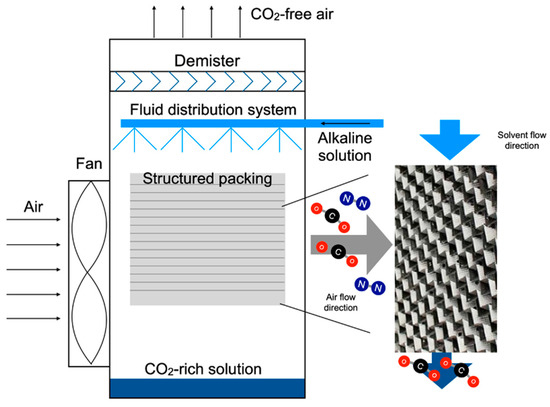
Although different companies use different methods, most DAC systems follow four basic steps.
Step 1: Air Collection
Large industrial fans pull atmospheric air into the capture system.
Since CO₂ represents only about 0.04% of Earth’s atmosphere, enormous volumes of air must be processed.
Step 2: Carbon Capture
The air passes through specialized materials called sorbents.
These materials selectively bind with carbon dioxide while allowing nitrogen and oxygen to pass through.
Common sorbents include:
- Liquid alkaline solutions
- Solid amine filters
- Metal-organic frameworks (MOFs)
- Advanced porous materials
Step 3: CO₂ Release
The capture material is heated or subjected to pressure changes.
This releases concentrated CO₂.
The sorbent is then reused for another capture cycle.
Step 4: Storage or Utilization
Captured CO₂ can be:
Geological Storage
Compressed and injected thousands of meters underground.
Carbon Utilization
Used in:
- Aviation fuel
- Concrete
- Chemicals
- Plastics
- Food industry
- Greenhouses
Types of Direct Air Capture Technologies
Liquid Solvent Systems
These use alkaline liquids that chemically absorb carbon dioxide.
Advantages
- Mature chemistry
- Large-scale capability
Limitations
- High heat requirement
- Large equipment
Solid Sorbent Systems
These use porous solid materials coated with chemicals that attract CO₂.
Advantages include:
- Lower temperatures
- Higher efficiency
- Modular design
- Easier scaling
Emerging Technologies
Researchers are developing:
- Electrochemical DAC
- Moisture-swing systems
- Membrane separation
- Nanomaterials
- Artificial photosynthesis
These may significantly reduce future costs.
Leading Direct Air Capture Companies
Several innovative companies are pushing DAC technology toward commercialization.
Climeworks
A Swiss pioneer operating commercial DAC facilities powered by renewable energy. Its plants capture atmospheric CO₂ for permanent underground storage and carbon removal services.
Strengths
- Commercial deployment
- Modular systems
- Renewable-powered operations
Carbon Engineering
Developed large-scale liquid solvent DAC technology and focuses on scaling industrial carbon removal with geological storage and synthetic fuel production.
Focus
- Large facilities
- Synthetic fuels
- Industrial-scale deployment
Heirloom
Uses naturally occurring minerals that absorb CO₂, accelerating a process similar to natural rock weathering.
Benefits include:
- Lower energy use
- Scalable mineral approach
- Reduced operational costs
Global Thermostat
Develops solid sorbent systems designed to use low-temperature heat from renewable or industrial sources.
Mission Zero Technologies
A newer company developing electrochemical DAC systems aimed at reducing energy demand and improving efficiency.
Where Does the Captured Carbon Go?
Captured CO₂ has several destinations.
Permanent Geological Storage
Carbon dioxide is compressed into a dense fluid and injected deep underground.
Suitable geological formations include:
- Basalt rock
- Saline aquifers
- Depleted oil fields
Proper monitoring ensures the carbon remains securely stored.
Carbon Recycling
CO₂ becomes a valuable industrial feedstock.
Applications include:
- Synthetic aviation fuel
- Methanol
- Carbon-neutral fuels
- Plastics
- Chemicals
- Building materials
Cost of Direct Air Capture
Cost remains the biggest challenge.
Current estimates range from approximately:
| Technology Stage | Estimated Cost |
|---|---|
| Early commercial | $600–$1,000 per ton |
| Current advanced systems | $300–$600 per ton |
| Long-term target | Below $100 per ton |
Costs are expected to decline through:
- Better materials
- Larger plants
- Automation
- Mass manufacturing
- Renewable energy integration
Energy Requirements
DAC requires significant energy because CO₂ is highly diluted in air.
Plants need:
- Electricity
- Heat
- Compression equipment
To deliver meaningful climate benefits, this energy should come from:
- Solar power
- Wind farms
- Hydroelectricity
- Geothermal energy
- Nuclear energy
Using fossil-fuel electricity can offset the benefits.
Advantages of Direct Air Capture
Removes Existing Carbon
Unlike emission reduction technologies, DAC removes legacy emissions already in the atmosphere.
Supports Net-Zero Goals
Some industries cannot eliminate all emissions.
Examples include:
- Aviation
- Shipping
- Cement
- Steel
- Agriculture
DAC can offset these unavoidable emissions.
Flexible Location
Unlike smokestack carbon capture, DAC plants can operate almost anywhere with access to clean energy and storage sites.
Permanent Climate Benefit
When stored underground, captured carbon can remain locked away for thousands of years.
Supports Carbon Markets
Businesses can purchase verified carbon removal credits to help meet climate commitments.
Challenges Facing DAC
High Costs
Removing one ton of CO₂ remains expensive compared to many emission reduction strategies.
Massive Energy Demand
Scaling DAC globally will require huge amounts of clean electricity.
Infrastructure Needs
A complete ecosystem is required:
- Pipelines
- Storage wells
- Monitoring systems
- Transport networks
Limited Deployment
Current DAC capacity removes only a tiny fraction of global annual emissions.
Public Acceptance
Communities may have concerns about underground storage and industrial facilities.
Transparent communication and regulation are essential.
Climate Impact
Most climate scientists agree DAC should complement—not replace—emission reductions.
Priority order:
- Reduce emissions.
- Improve energy efficiency.
- Expand renewable energy.
- Electrify transport and heating.
- Remove remaining carbon using DAC and other methods.
This balanced approach offers the best chance of limiting global warming.
Government Support
Many governments now support carbon removal technologies through:
- Tax incentives
- Research funding
- Carbon pricing
- Innovation grants
- Public-private partnerships
Such policies are accelerating commercial deployment.
Future Developments
The next decade could bring significant improvements:
Better Capture Materials
Scientists are developing sorbents that capture more CO₂ while using less energy.
AI Optimization
Artificial intelligence can optimize airflow, maintenance schedules, and energy consumption.
Renewable Energy Integration
Future DAC plants may operate alongside solar, wind, geothermal, and hydroelectric power.
Gigaton-Scale Facilities
Future plants could remove millions of tons of CO₂ annually, with many facilities working together to achieve gigaton-scale carbon removal.
Lower Costs
Mass production, improved engineering, and learning-by-doing are expected to reduce costs substantially over time.
Can DAC Solve Climate Change Alone?
No.
Direct Air Capture is not a substitute for reducing greenhouse gas emissions. It is best viewed as one tool within a broader climate strategy.
Key actions remain essential:
- Expanding renewable energy
- Improving energy efficiency
- Electrifying transport
- Protecting forests
- Restoring ecosystems
- Developing sustainable agriculture
- Deploying carbon removal technologies like DAC
A balanced approach combining prevention and removal offers the greatest potential for achieving long-term climate goals.
Frequently Asked Questions (FAQs)
What is Direct Air Carbon Capture (DAC)?
Direct Air Carbon Capture is a technology that removes carbon dioxide directly from the atmosphere using specialized chemical filters or sorbents. The captured CO₂ can then be permanently stored underground or used in industrial applications.
Is Direct Air Capture effective?
Yes. DAC can permanently remove CO₂ when paired with secure geological storage. Its overall climate benefit depends on using low-carbon energy sources and maintaining long-term storage.
Why is Direct Air Capture expensive?
The atmosphere contains a very low concentration of CO₂, so large volumes of air must be processed. This requires significant energy, specialized materials, and industrial infrastructure.
Can Direct Air Capture replace renewable energy?
No. DAC is intended to complement renewable energy and emissions reductions, not replace them. Cutting emissions remains the most effective and affordable climate strategy.
What industries can benefit from DAC?
Industries with hard-to-eliminate emissions—such as aviation, shipping, cement, steel, and chemicals—can use DAC to help offset residual emissions and support net-zero goals.
Final Thoughts
Direct Air Carbon Capture represents one of the most promising emerging technologies for addressing climate change by removing carbon dioxide already present in the atmosphere. While current systems face challenges related to cost, energy use, and scalability, ongoing innovation is steadily improving their performance and economic viability.
As renewable energy becomes more abundant, advanced capture materials mature, and supportive policies expand, DAC could evolve into a critical component of global climate action. Combined with aggressive emissions reductions, nature-based solutions, and sustainable industrial practices, Direct Air Capture offers a pathway toward balancing unavoidable emissions and moving closer to a net-zero future.
Direct Air Carbon Capture